Professional Roofer for Premium Roof Solutions
Enlisting a qualified roofing expert represents a crucial choice for residents pursuing quality roofing solutions. These professionals ensure adherence with local building codes but also grant access to superior materials. Their ability to identify and address emerging concerns ahead of time can save substantial costs and time. Learning about the various roofing options available and their benefits can strengthen this process. What factors should homeowners take into account when picking the right professional for their needs?
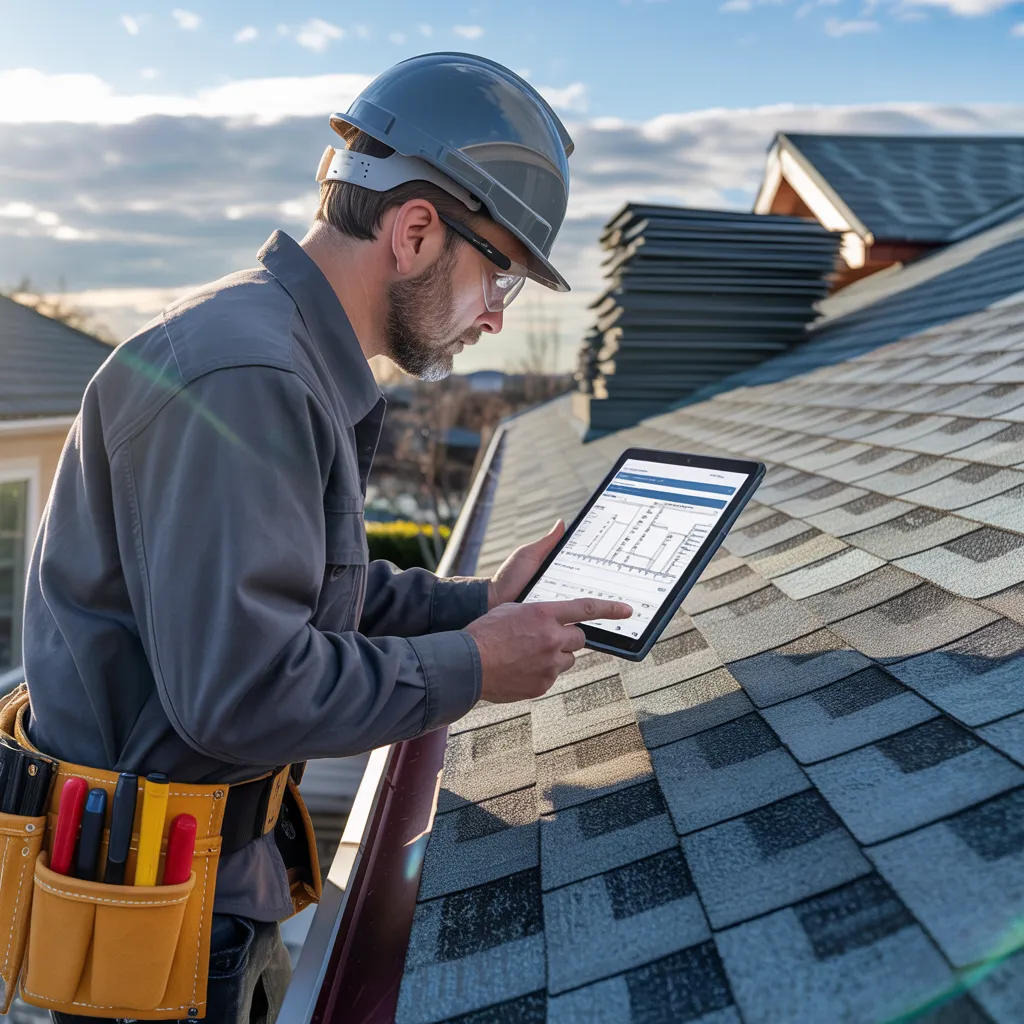
Why You Ought to Hire a Professional Roofer
When contemplating a roofing project, enlisting a professional roofer guarantees both quality and security. Skilled roofing professionals possess the vital expertise and proficiency to address multiple roofing challenges effectively. Their experience permits them to recognize potential issues prior to they worsen, ensuring enduring structural integrity. Additionally, they are conversant in municipal construction codes and regulations, which minimizes the threat of legal complications.
Also, professional roof technicians have access to high-quality materials that may not be available to the typical homeowner, enhancing the general performance of the roof structure. They also provide warranties that can give peace of mind, safeguarding the investment made in the roof work. Crucially, safety is essential; experienced roof technicians are supplied with the appropriate equipment and safety gear to execute their tasks without incurring damage. To conclude, hiring a skilled roof expert is a prudent choice for reaching a reliable and safe roof answer.
A Complete Guide to Popular Roofing Materials and Their Advantages
A broad range of roof choices exist, each delivering distinct advantages suited to multiple needs and desires. Asphalt shingles rank among the most common because of their affordability, straightforward installation, and assortment of colors. Metal roofing, celebrated for its longevity and defense against extreme weather, also reflects heat, rendering it economical. Slate tiles provide a enduring aesthetic and remarkable longevity, while clay tiles provide excellent insulation and can withstand harsh climates.
For individuals seeking eco-friendly options, rubber roof materials is becoming increasingly popular; it mimics the look of pricier materials and is constructed with recycled products. Wooden shakes provide a organic, traditional appearance but demand more maintenance. Finally, artificial roof options combine the finest qualities of conventional materials, offering flexibility and durability. Each material presents distinct advantages, making it essential for property owners to evaluate their preferences and consult professionals when choosing the optimal roof option.
Standard Roofing Concerns and the Way Professionals Resolve Them
Typical roofing problems, such as leaks and liquid deterioration, can trigger significant structural problems if not addressed promptly. Additionally, missing or damaged shingles damage the roof's strength and expose the home to added threats. Professionals implement various techniques to identify and resolve these matters, delivering long-lasting protection and mental ease for homeowners.
Seepage and Water Damage
Leaks and water damage impose critical difficulties for homeowners, regularly producing costly restoration work and foundational threats. These situations commonly emerge from a diverse array of sources, including worn components, poor fitting, or even harsh environmental conditions. Water entry can affect insulation, enable mold proliferation, and undermine structural durability. Qualified roof contractors implement modern solutions to spot and fix leaks proficiently. They complete exhaustive inspections to locate fragile zones, making use of tools such as moisture meters and infrared cameras. Once located, they execute exact remedies, which may include sealing, flashing replacement, or, in severe cases, partial roof replacement. By tackling leaks swiftly, professionals help residents prevent damage, delivering permanent protection and peace of mind.
Missing or Compromised Shingles
Roofing issues often appear through absent or deteriorated shingles, which can compromise a home's defensive layer. These flaws expose the underlying structure to elements, possibly causing leaks and further deterioration. Professionals generally conduct comprehensive evaluations to determine the severity of the problem. They may recommend replacing individual shingles or whole areas, depending on the severity. Employing premium-grade materials, experienced roofers ensure correct setup to avoid subsequent problems. Additionally, they assess the roof's overall condition to address any underlying problems, such as poor ventilation or structural deficiencies. Regular maintenance and timely repairs are essential in preserving a roof's structural soundness, ultimately protecting the home against water intrusion and other natural dangers.
Deciding on the Top Roofing Option for Your Home
When deciding on the ideal roofing choice for a home, it is essential to assess individual roofing requirements initially. Learning about the selection of material options obtainable and their respective costs can impact the decision-making process greatly. Budget considerations also are important in guaranteeing that the selected option meets both aesthetic and functional requirements.
Evaluating Your Roof Needs
How can one choose the best roofing alternative for their home? The process of analyzing roofing needs starts with looking at the home’s structure and local climate. Homeowners need to weigh criteria like energy efficiency, durability, and maintenance needs. A thorough inspection of the current roof can detect potential concerns that might alter the selection of materials. In addition, budget constraints play an important role; acknowledging the long-term investment compared to the initial outlay is vital. Seeking advice from a roofing specialist can offer important recommendations and recommendations customized to individual situations. In the end, the decision should combine visual appeal with functional needs, assuring the chosen roofing choice improves the home’s value while providing extended protection.
Material Types Breakdown
Identifying the suitable roofing materials is a key element in the entire roof construction process. Homeowners need to review several options, each presenting distinct benefits and drawbacks. Asphalt shingles are favored for their economical value and easy setup, while metal roofing ensures durability and efficiency gains. Clay and concrete tiles present a attractive, permanent choice, well-suited for warm climates. Wood shakes offer a timeless look but demand greater maintenance. Synthetic materials, like rubber or plastic, mirror conventional styles while ensuring improved longevity. Moreover, ecological awareness may push some homeowners to look into sustainable solutions including green roofs or reused content. At the end of the day, selecting the most suitable roofing material is determined by the home's design, climate, and individual preferences.
Budget Factors Explained
Creating a budget for a roofing project typically demands detailed consideration of numerous factors to guarantee homeowners select the best option for their needs. To begin with, material selection plays a significant role in both initial costs and the long-term durability of the roof. Asphalt shingles are often cost-effective, but metal or tile alternatives might deliver more durability at a greater expense. Additionally, labor costs may differ depending on the contractor’s expertise and the complexity of the task. Homeowners should also factor in potential hidden expenses like structural repairs or permits. Finally, considering long-term savings via energy efficiency and warranties will aid in reaching a balanced conclusion that balances upfront investment with future benefits.
What to anticipate for the Roofing Work
Understanding the nuances of the roofing process can greatly enhance a property owner's experience during a roofing project. At the outset, homeowners should be prepared for a thorough evaluation of the existing roof to identify its condition and the required work or updates. Following the assessment, a complete proposal will outline the scope of work, components, and project duration.
As the project kicks off, homeowners can look for an orderly arrangement with safeguarding protocols in place to safeguard their property. The roofing crew will remove old materials, evaluate the underlying structure, and install new roofing systems according to industry standards. Regular communication is essential, as homeowners should expect status updates on progress and any unforeseen issues.
Ultimately, the work ends with an thorough check to ensure quality and compliance to requirements. Residents should also receive upkeep tips to extend the longevity of their modern roof, emphasizing the importance of understanding the full roof process.
The Importance of Regular Roof Inspections
Although many property owners may neglect roof care, regular inspections are vital for protecting the structural condition and durability of a roof. These assessments help identify small problems before they escalate into expensive maintenance. By spotting issues like leaks, loose shingles, or moss growth promptly, homeowners can save both time and money.
Furthermore, consistent inspections ensure that the roof adheres to local building codes and regulations, which can prevent future issues during property transactions. Seasonal variations can take a toll on roofing materials, making it critical to track wear and tear.
Moreover, a properly upkeep roof enhances the overall visual attractiveness of a home and contributes to its market value. Engaging in regular check-ups not only supports the structural soundness of the property but also offers reassurance for homeowners. Ultimately, emphasizing roof inspections is a proactive approach to home maintenance that pays dividends in the long run.
Finding and Recruiting a Qualified Roofer in Your Area
After understanding the significance of routine roof inspections, homeowners often seek skilled professionals for upkeep and restoration. Locating a competent roofing contractor in their area can be daunting; however, a few key strategies can streamline the process.
To start, property owners should seek out recommendations from acquaintances, relatives, or neighbors who have recently had roofing work done. Internet feedback and scores on platforms like Google and Yelp can also deliver useful insights into a roofer's standing.
Once a list of potential candidates is compiled, homeowners should verify credentials, such as licenses and insurance. Obtaining multiple quotes enables them to evaluate costs and services provided.
Additionally, asking about coverage and assurances can help guarantee long-lasting results. By following these steps, homeowners can confidently engage a professional roofer who satisfies their specific needs, ensuring their roofs stay in peak condition for years to come.
Regularly Asked Questions
What Requirements Should I Identify in a Professional Roofer?
When selecting a competent roofing professional, it's important to prioritize competencies like valid licenses, protective insurance, extensive further information experience, positive customer reviews, and conformity with industry standards. These considerations promise reliable workmanship and mitigation of potential liabilities.
How much time Should You Anticipate for a Conventional Roofing Project Completion?
A typical roof work often takes between one to three days, depending on the size and complexity of the roof, weather patterns, and the crew's efficiency. Bigger or more involved roofs may require additional time.
Is It Possible to Move Roofing Warranties if I Sell My Home?
Roof warranties are usually transferable, but specific stipulations are necessary. Homeowners should study the guarantee documentation for specifics on transferability, as some manufacturers require advance notice and may have time limits for the transfer process.
What Must I Do if I Suspect Roof Damage After a Storm?
If roof deterioration is suspected after a storm, the resident should inspect the roof for noticeable damage, note any deterioration, and consult a professional for an review to establish necessary repairs and stop further complications.
What Can I Do to Keep My Roof Between Professional Inspections?
Frequently inspect the roof for debris, identify worn shingles, and clean gutters to avoid water buildup. Tackle small issues promptly and stay alert for signs of leaks or wear between professional inspections.